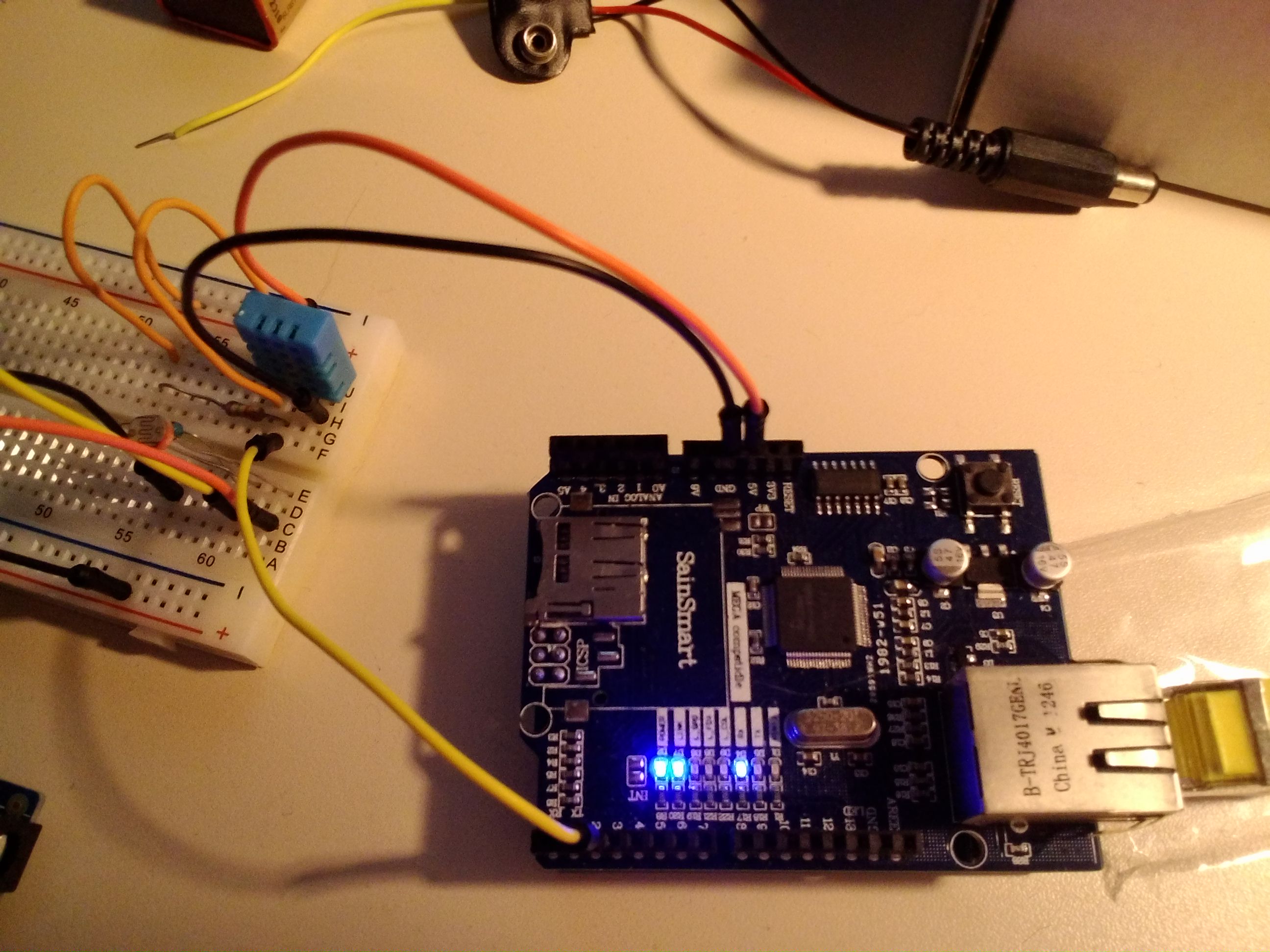
One day a colleague showed me a little blue thing that was blinking frantically.
“What’s that?” I asked.
“An Arduino”, he replied.
“What’s an Arduino?”
“It’s an amazing little thing! It’s a thing that can do things. It can do everything!”
Basically, when he showed it to me all it could do was blink a little red LED. But as I was digging deeper I discovered that there is a whole community of makers out there who do amazing projects with that little thing. You can really do everything, from reading sensor data to steering an electric motor and everything in between. When I saw that someone had realized a game of Tetris inside of a pumpkin (https://www.youtube.com/watch?v=8PCp5xk-9Qo) I was sold. I needed such a thing.

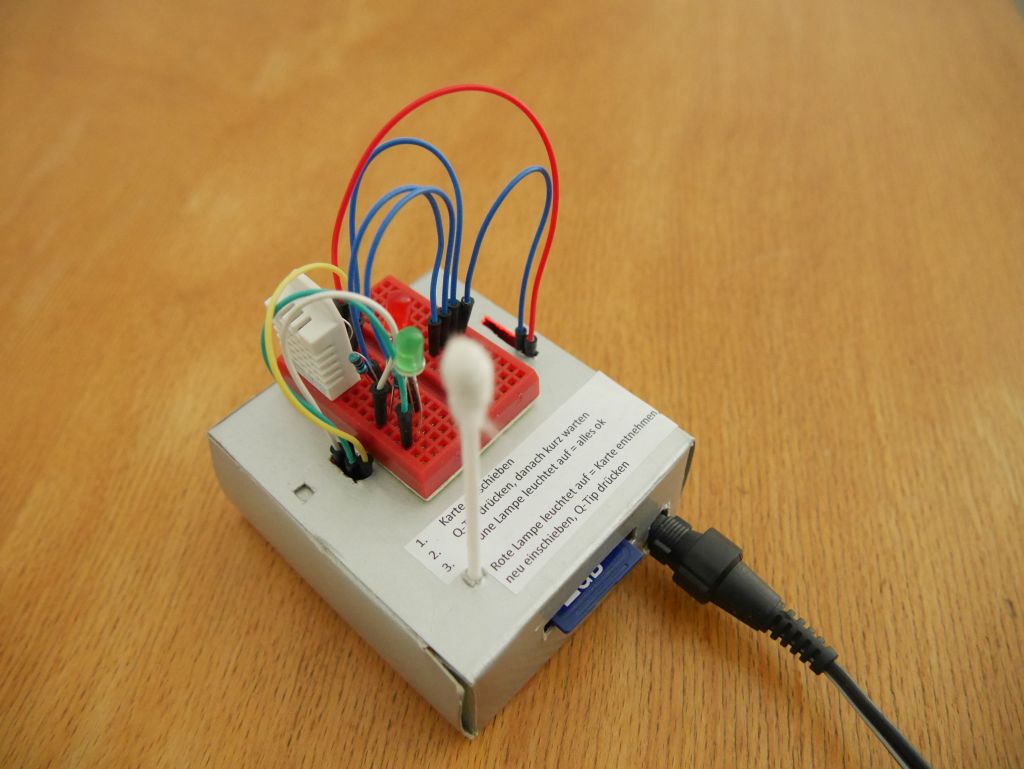
How about an alarm when it’s much too bright in a gallery and someone should close those curtains? Or a data logger that writes temperature and humidity in your off-site storage to a SD card? If there is LAN or even WiFi available, it’s starting to get really interesting as you can monitor the climate via the internet and even get alerts on twitter or in your mail when someone turns on the light or a climate value exceeds a certain level.
The big advantage of the arduino is that you can do those projects yourself and at a reasonable price. It requires that you familiarize with the topic, but, compared to former times, you don’t have to be an expert in electronics to do it. The few necessary components are available via the internet and thanks to a large, world-wide community that is committed to the spirit of Open Source you find a solution or even complete code to nearly every problem which you can adapt to your own situation with a little thinking and a few changes.
For a start I suggest the starter kits who contain not only an arduino but a whole bunch of useful accessories like resistors, sensors and LEDs so you can experiment right there and then. There’s nothing more frustrating than missing one little component when you start learning and who has a fully equipped electronics workshop at home? Usually those kits come with some instructions for simple experiments (if they don’t, you can find plenty of them on youtube) that I highly recommend to conduct. Along with a general understanding of the topic you explore what can be done, may it be a tetris in a pumpkin or a data logger.
And there is one thing I can promise: when you manage that a little red LED is blinking exactly how you planned it for the first time, you get a feeling like you just discovered new territory…
This post is also available in Russian translated by Helena Tomashevskaya.